How an Emergency Dentist Restores Comfort After Sudden Dental Damage
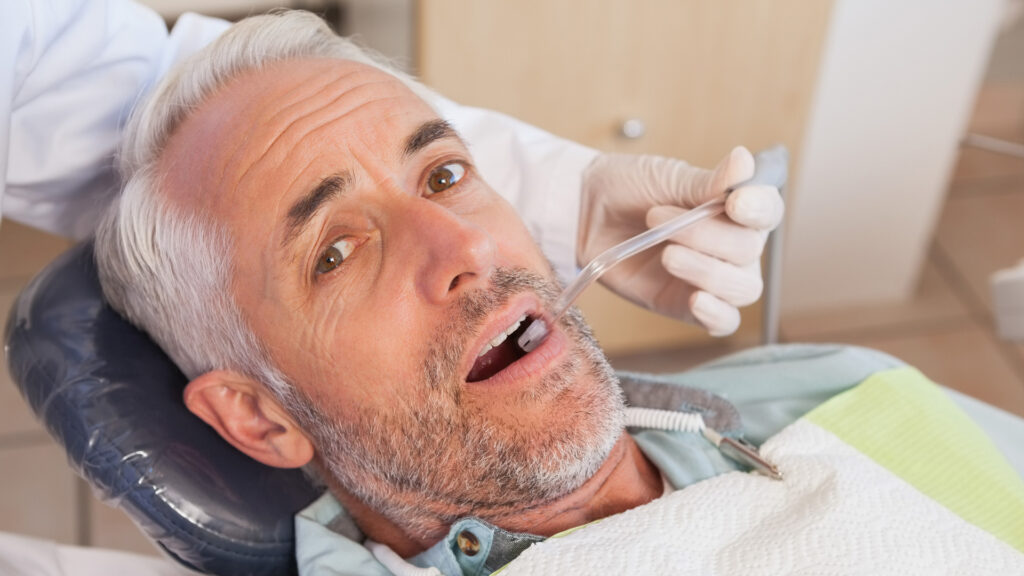
A healthy mouth can feel dependable right up until the moment it does not. One hard bite on an olive pit, a missed catch during a weekend game, a crown Emergency Dentist that loosens during dinner, a throbbing tooth that wakes you at 2 a.m. - dental damage often arrives without warning and demands attention fast. In those moments, people are not thinking about long-term cosmetic plans or routine polishing. They want pain relief, clear answers, and a way to get through the next hour without feeling their pulse in their jaw.
That is where an Emergency Dentist becomes essential. Emergency care is not simply routine dentistry offered on a faster schedule. It is a different kind of clinical decision-making, one built around urgency, triage, infection control, pain management, and preserving as much healthy tooth structure as possible under pressure. The goal is straightforward: restore comfort, stabilize the problem, and create the safest path to full recovery.
Patients often imagine emergency dental treatment as dramatic, but much of the skill lies in calm assessment. A good emergency visit is often less about doing everything at once and more about doing the right thing in the right order. Sometimes that means sealing an exposed tooth. Sometimes it means draining an infection, re-cementing a restoration, smoothing a sharp fracture, or starting root canal treatment. In other situations, it means telling a patient that the injury looks frightening but can wait safely until swelling subsides or a specialist can take over.
What qualifies as sudden dental damage
Not every dental problem is an emergency, but many are more time-sensitive than people realize. Pain is one clue, though not the only one. Some of the most urgent dental injuries hurt intensely. Others produce surprisingly little discomfort at first while still threatening the tooth, surrounding bone, or soft tissues.
Common emergencies include cracked or broken teeth, teeth knocked loose or completely out, large fillings or crowns that fall off, abscesses, facial swelling, severe toothache, uncontrolled bleeding after trauma, and injuries to the lips, cheeks, or tongue. A chipped front tooth from slipping on stairs may be emotionally distressing even if it is not medically dangerous. By contrast, a back tooth with a deep crack can seem tolerable for a few hours and then shift abruptly into severe pain when the nerve or root becomes involved.
One detail that matters in practice is whether the problem is structural, infectious, or traumatic. Structural problems include fractures, broken restorations, and exposed dentin. Infectious problems involve decay reaching the nerve, abscesses, and gum infections. Traumatic problems cover impact injuries to teeth, bone, and soft tissue. These categories often overlap. A cracked tooth can expose the pulp. An infection can weaken a tooth until it fractures. A sports injury can loosen a tooth and split the lip at the same time. Emergency care has to account for all of it, not just the most obvious symptom.
The first priority is controlling pain and risk
When patients call in distress, they usually ask one question in different forms: can you stop this from getting worse? The answer depends on the cause, but the first stage of emergency treatment is almost always stabilization. That starts before a drill touches a tooth.
A clinician needs to know how long the symptoms have been present, whether the pain is spontaneous or triggered by temperature or pressure, whether swelling has spread beyond the gum line, and whether there is fever, trouble swallowing, or difficulty opening the mouth. Those details help distinguish a painful but localized issue from a potentially serious spreading infection. A patient with a lost filling and sensitivity to cold needs urgent care, but a patient with facial swelling and a bad taste from drainage may need immediate infection management and, in some cases, referral for hospital-based treatment if breathing or deep tissue involvement is a concern.
Pain relief in emergency dentistry is rarely one-dimensional. Sometimes removing the irritant is enough. A jagged edge rubbing the tongue can be smoothed in minutes. A crown that no longer seals the tooth can be recemented, eliminating air and temperature sensitivity almost immediately. In other cases, the pain source is internal. Inflamed pulp tissue inside the tooth may require access through the tooth to release pressure and begin root canal therapy. If the tooth cannot be predictably saved, extraction may be the fastest and safest route to relief.
Patients are often surprised that a small intervention can reduce major discomfort. I have seen someone walk in holding the Emergency Dentist side of their face, barely able to speak, and leave twenty minutes later with a temporary protective build-up over an exposed fractured tooth, visibly more relaxed. The treatment was not elaborate. The effect was profound because the nerve was no longer being bombarded by air, temperature change, and pressure.
Why timing can save a tooth
In emergency dentistry, time changes outcomes. This is especially true for knocked-out teeth, displaced teeth, and deep fractures. A tooth that is completely avulsed, meaning knocked out of the socket, has its best chance of survival when reimplanted quickly, often within 30 to 60 minutes if conditions are favorable. The tooth should be handled carefully by the crown, not the root, and kept moist in milk or a tooth preservation solution if available. Letting it dry out on a tissue in a pocket dramatically lowers the likelihood of successful reattachment.
Even when a tooth is not fully knocked out, delay can complicate treatment. A crack that begins as a cusp fracture may deepen under chewing forces. A dislodged crown can leave the underlying tooth vulnerable to sensitivity, contamination, and further breakage. An untreated abscess can spread from the tooth into surrounding tissues and make both treatment and recovery more difficult.
This does not mean every after-hours problem needs panic. It means prompt professional judgment matters. One of the most valuable things an Emergency Dentist provides is triage: deciding what must be seen immediately, what can wait until morning, and what can be managed at home for a few hours without adding meaningful risk.
What happens during an emergency dental visit
Most emergency appointments move quickly, but not carelessly. The sequence tends to follow a logic that patients appreciate once they are in the chair: identify the source, calm the area, stabilize the damage, and plan the next phase.
Examination usually includes a focused history, visual inspection, percussion and bite testing, gum evaluation, and dental X-rays when they will change treatment decisions. X-rays are often critical. A tooth may look only chipped above the gum and still have a root fracture below it. Swelling may appear to come from one tooth but actually originate from another. Trauma can affect the supporting bone even when the tooth remains in place.
The treatment itself varies widely. A fractured front tooth may need bonding the same day if enough structure remains and the bite is favorable. A back tooth with a lost cusp and nerve pain may need a sedative dressing or emergency pulpal treatment before a full crown can be planned. A loose adult tooth after trauma may need repositioning and splinting to adjacent teeth. A badly infected tooth may need drainage, medication, and close follow-up. Sometimes the emergency visit ends with a temporary restoration rather than a permanent one, and that is often the correct choice. Teeth and gums do not always reveal the full extent of injury in the first hour.
The best emergency care balances immediate relief with long-term prognosis. That means resisting the temptation to overpromise. A tooth can often be made comfortable today without anyone claiming certainty about whether it will need a crown, root canal, or extraction later. Patients generally prefer honesty to false reassurance, especially when they are already stressed.
The difference between temporary relief and definitive treatment
One of the most common misunderstandings in dental emergencies is the idea that pain relief equals final repair. Sometimes it does. Many times it does not.
Consider a patient who cracks a molar on a popcorn kernel. The Emergency Dentist may remove the loose fragment, protect the tooth, and stop the sharp pain caused by movement and exposure. The patient feels far better and assumes the crisis is over. Yet the tooth may still require a crown because the remaining walls are weakened. If the fracture extends into the nerve, root canal treatment may follow. The emergency phase solved the immediate problem, but definitive treatment protects the tooth from failing again.
The same pattern appears with infections. Antibiotics can reduce swelling in selected cases, but they do not erase the source of infection inside a dead or dying tooth. If the tooth is not treated with root canal therapy or extraction, symptoms often return. This is one reason experienced dentists are careful with prescriptions. Medication has a role, but it is not a substitute for removing the cause.
Temporary materials also matter more than patients realize. A well-placed temporary filling or provisional crown can protect a tooth effectively for a short period, preserve comfort, and buy time for tissues to settle. A poorly fitted temporary can trap food, irritate the gums, or shift the bite. In emergency settings, craftsmanship still counts.
Sudden fractures, chips, and breaks
Not all broken teeth are equal. A small enamel chip may be mostly cosmetic, while a vertical crack through a molar can threaten the entire tooth. The challenge is that patients do not always feel the difference immediately. Some fractures announce themselves with a clean snap and instant sensitivity. Others present as vague pain on release after biting, the classic clue for a cracked tooth.
When evaluating a fracture, a dentist looks at depth, location, mobility of the broken segment, bite forces, and whether the pulp is exposed. Front teeth often have a better chance of conservative repair because access is easier and bite loads may be lighter, depending on the patient’s occlusion. Back teeth absorb heavy chewing forces and often need more protective treatment after injury.
There is also a practical side to emergency management that people seldom hear about. Sharp edges matter. A tooth that keeps slicing the tongue or cheek can become miserable within hours, even if the fracture itself is not deeply painful. Simply smoothing the tooth and placing a protective material can transform eating and speaking. That is comfort restoration in a very literal sense.
When swelling means more than a toothache
Dental infections range from localized and manageable to medically significant. A small gum boil near one tooth is concerning, but diffuse facial swelling, fever, malaise, or difficulty swallowing raises the stakes. The mouth is not isolated from the rest of the body. Infection can move into fascial spaces, affect hydration and nutrition, and become dangerous in a vulnerable patient.
An Emergency Dentist assesses not just the tooth but the person in front of them. Age, pregnancy status, immune health, diabetes, anticoagulant use, and prior cardiac history can all influence treatment choices. A patient with a draining abscess and no swelling may tolerate definitive dental treatment in the office quite well. A patient with spreading swelling under the jaw may need urgent medical escalation.
This is where professional judgment matters more than dramatic intervention. Knowing when to treat in office, when to prescribe, when to observe, and when to refer is part of restoring comfort safely. The right answer is not always the most aggressive one. It is the one that reduces pain without ignoring risk.
How emergency dentists handle knocked-out or displaced teeth
Trauma cases often carry a different kind of urgency because the window for preserving the natural tooth can be short. Children, teens, and active adults are frequent patients here, though falls at home can put anyone in the emergency chair.
If a permanent tooth is knocked out completely, rapid reimplantation gives the best chance of retaining it. If it is pushed sideways or partially out of the socket, careful repositioning and splinting may be possible. These are technique-sensitive situations. The surrounding ligament cells are delicate, and unnecessary handling can reduce the odds of recovery.
For parents, these moments are intense. A nine-year-old with a bleeding mouth after a scooter accident can make any decision feel urgent and frightening. The key distinction is whether the tooth is a baby tooth or an adult tooth. Reimplanting a knocked-out baby tooth is generally not advised because of the risk to the developing permanent tooth underneath. Adult teeth are different. That is why prompt guidance from an Emergency Dentist matters so much. The same accident produces very different recommendations depending on the stage of dental development.
What patients can do before they reach the office
Home care cannot replace treatment, but the first thirty minutes after an injury often influence the next thirty days. Clear, simple steps help reduce avoidable damage.
- Control bleeding with gentle pressure using clean gauze or cloth.
- Use a cold compress on the outside of the face to limit swelling.
- If a permanent tooth is knocked out, handle it by the crown and keep it moist in milk or saline.
- Avoid chewing on the injured side and skip very hot, cold, or hard foods.
- Call an Emergency Dentist promptly and describe pain, swelling, trauma, and any broken pieces.
These are practical measures, not cure-alls. People sometimes improvise with aspirin placed directly on the gum, which can burn soft tissue, or household glue on a broken tooth, which creates more trouble than it solves. When in doubt, less is usually better. Keep the area clean, protect it, and get professional guidance.
Restoring function matters as much as stopping pain
Pain gets attention first, but function follows close behind. A patient with a broken molar may not be able to chew. Someone with a dislodged front crown may feel unable to speak normally or smile at work. A cracked tooth can make every meal a negotiation. Comfort, in the real clinical sense, includes being able to eat, talk, sleep, and get through the day without constant guarding.
Emergency treatment often improves these functions quickly. Re-cementing a crown can restore speech and confidence in one visit. Stabilizing a loose tooth can make a patient feel less fearful of accidental loss. Adjusting a bite after trauma can stop repeated jolts of pain when the teeth come together. These changes may sound modest on paper, but they are enormous to the person living with the injury.
There is also an emotional side to dental emergencies that deserves respect. Dental pain tends to be persistent, close, and hard to ignore. It interferes with concentration in a way few aches do. Facial injuries can feel deeply personal because they affect appearance and communication. Good emergency care addresses that reality. A steady voice, a clear explanation, and a practical timeline can lower anxiety almost as much as local anesthetic lowers pain.
The role of follow-up after emergency care
Emergency treatment is often the first chapter, not the whole story. Follow-up matters because teeth can change after trauma or acute inflammation. A tooth that tested normal on the day of an accident may develop symptoms later. A temporary repair may hold well for a week but not for a month. A root canal started for pain relief may need completion once the patient is more comfortable and the anatomy can be treated thoroughly.
Dentists typically reassess bite, pulp status, gum health, mobility, and radiographic changes over time. With traumatic injuries, especially to front teeth, the pulp can lose vitality weeks or even months later. That does not mean the initial treatment failed. It means biology does not always reveal its final answer immediately.
From a patient’s perspective, this is worth understanding early. Emergency care aims to restore comfort fast, but good dentistry also thinks ahead. The temporary phase protects options. The follow-up phase confirms which option gives the tooth its best chance.
Cost, urgency, and decision-making under pressure
Money is part of emergency dentistry whether people like discussing it or not. Sudden dental damage does not wait for ideal timing. Patients may be balancing pain, work obligations, child care, and financial limits all at once. A skilled Emergency Dentist does more than recommend ideal treatment in a vacuum. They help patients understand what cannot wait, what can be staged, and what the likely trade-offs are.
For example, rebuilding a fractured tooth temporarily may be reasonable if the tooth is stable and the patient needs a few days to plan a crown. Extracting a non-restorable tooth may be more cost-effective than beginning heroic treatment with poor long-term odds. Sometimes preserving a tooth is feasible, but only if the patient accepts the likelihood of future procedures. The right choice depends on clinical facts and personal circumstances.
Pressure can cloud judgment, which is why clear communication matters. Patients should leave knowing what was done, what remains, what warning signs to watch for, and when to return. That kind of clarity is part of comfort too.
Red flags that should never be ignored
Most dental pain feels urgent to the person experiencing it, and fairly so. Still, some symptoms call for especially rapid attention because they suggest a higher level of risk.
- Facial swelling that is increasing or spreading
- Fever, chills, or feeling generally unwell with dental pain
- Trouble swallowing, breathing, or opening the mouth
- Uncontrolled bleeding after trauma or extraction
- A permanent tooth that has been knocked out or significantly displaced
These situations deserve immediate contact with an Emergency Dentist, and in some cases medical emergency services as well. A spreading infection or compromised airway is not a wait-and-see problem.
Preventing the next emergency without pretending accidents never happen
Some dental emergencies are pure bad luck. Many are not. Teeth often give subtle warnings before they fail under pressure. Recurrent sensitivity, a filling that catches floss, a crown that feels slightly mobile, grinding habits, untreated decay, and postponed checkups all increase the chances of a sudden problem at the worst possible time.
Mouthguards for contact sports work. Night guards for heavy grinders protect enamel, restorations, and jaw joints. Early repair of cracked fillings and worn crowns prevents more expensive emergencies later. Routine X-rays, taken at appropriate intervals, can reveal decay under restorations before a tooth breaks around it. None of this eliminates every emergency, but it shifts the odds.
The patients who fare best after sudden dental damage are often the ones who already have a relationship with a dental office, current records, and a history of preventive care. When a crisis hits, baseline knowledge helps. The dentist knows prior restorations, bite patterns, and medical concerns. Treatment decisions can be faster and more precise.
What comfort really means after sudden dental damage
Comfort is more than the absence of pain. It is the return of control. It is being able to drink water without wincing, sleep through the night, eat soft food without fear, go to work without clutching your face, and smile without worrying that something will crack further or fall out. Emergency dental care succeeds when it moves a patient from alarm to stability.
That process is not always glamorous. It may involve anesthetic, suction, X-rays, a temporary filling, a careful explanation, and a follow-up appointment already on the calendar. Yet those practical steps can change the course of a bad day, and sometimes save a tooth that would otherwise be lost.
When sudden dental damage happens, speed matters, but so does judgment. A capable Emergency Dentist brings both. They do not simply react to pain. They identify its source, manage the immediate risk, preserve future treatment options, and restore comfort in a way that respects both urgency and long-term oral health. For a patient in distress, that combination is exactly what turns panic into relief.