Emergency Dentist Beverly Hills: Fast Treatment for Oral Health Emergencies
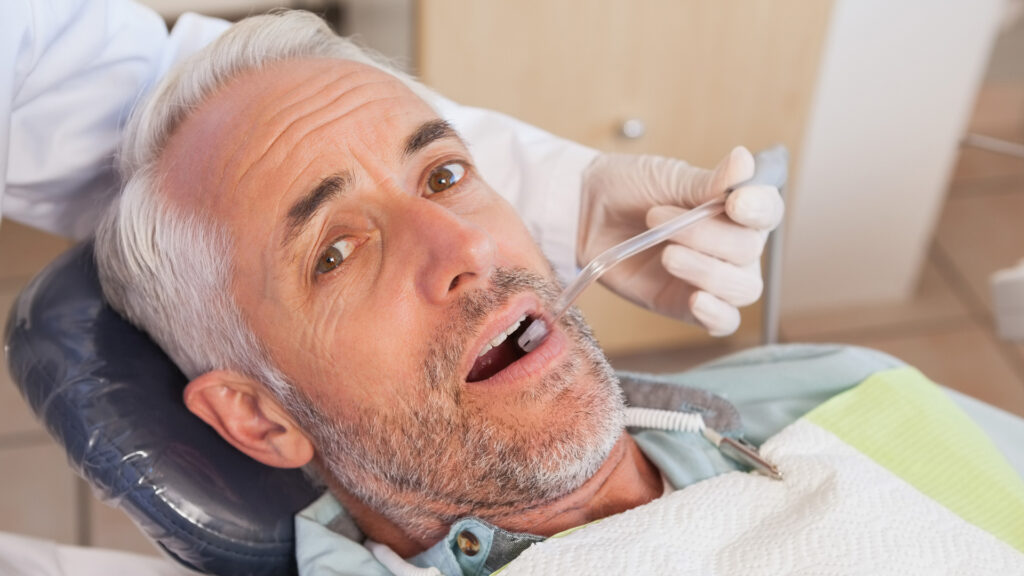
A dental emergency rarely arrives at a convenient moment. It interrupts work, sleep, meals, travel plans, and sometimes major events that cannot be postponed. The pain can be sharp and constant, or it can build slowly until it becomes impossible to ignore. In Beverly Hills, where schedules tend to be packed and expectations for timely care are high, having access to fast, skilled emergency treatment matters for more than comfort alone. It can protect a tooth, prevent infection from spreading, and reduce the risk of more invasive treatment later.
People often hesitate because they are not sure whether what they are experiencing truly qualifies as an emergency. A cracked molar after biting into something hard may not seem dramatic at first. A dull toothache can feel manageable with over the counter medication. Gum swelling may come and go for a day or two. Yet in practice, many serious dental problems begin with symptoms that seem small. By the time facial swelling appears, or pain becomes severe enough to disrupt sleep, the condition has often progressed.
An experienced Emergency Dentist Beverly Hills provider does more than stop pain. The real job is to identify the source quickly, determine the urgency, and stabilize the problem in a way that protects long term oral health. Some situations can be resolved in one visit. Others require immediate relief followed by a carefully staged treatment plan. Good emergency care depends on speed, judgment, and technical skill, not just availability.
What counts as a dental emergency
Not every dental problem needs same day treatment, but some should never be delayed. The line between urgent and non urgent is not always obvious to patients, especially when symptoms fluctuate. One of the most common examples is an abscessed tooth. Early on, it may feel like pressure when chewing or a bit of temperature sensitivity. A day later, there may be swelling in the gum or jaw, a bad taste in the mouth, or pain that radiates toward the ear. At that point, waiting can become risky.
A knocked out tooth is the clearest emergency. Time matters tremendously. If the tooth is handled correctly and treated quickly, there is sometimes a chance to save it. The same goes for a tooth that has been pushed out of position after a fall, sports injury, or car accident. Bleeding that does not stop, significant oral swelling, trauma to the lips or tongue, and broken teeth with exposed nerves also deserve prompt attention.
Then there are the less dramatic, but still urgent, cases. A lost crown may seem minor until the exposed tooth begins to fracture. A broken filling can create a sharp edge that cuts the tongue and leaves the tooth vulnerable. A cracked root can be invisible from the outside and still create severe pain when biting. In many of these situations, patients try to "see if it settles down." Sometimes it does not. Sometimes it worsens over a weekend or holiday and turns a manageable problem into a much more expensive one.
The emergencies dentists see most often
The emergency schedule in a busy Beverly Hills practice tends to include a familiar mix of problems. Toothaches lead the list, but the reason behind them varies widely. Decay that has reached the nerve is common. So is a hidden crack in a heavily restored tooth. Wisdom teeth can also cause acute pain, particularly when surrounding gum tissue becomes inflamed or infected.
Broken teeth are another frequent issue. Porcelain veneers and crowns can chip or loosen. Natural teeth can fracture from hard foods, nighttime grinding, old fillings, or sports injuries. In younger patients, bicycle falls and playground accidents are common causes. In adults, I have seen more than a few emergencies that began with something as ordinary as chewing ice, opening packaging with the teeth, or eating unpopped popcorn kernels.
Infection deserves special attention because it can escalate quickly. A dental infection may begin in the pulp of the tooth, around the root, or in the gum tissue. Patients sometimes expect a fever if an infection is serious, but fever is not always present. What they notice first may be tenderness when biting, a pimple like bump on the gum, facial fullness, or throbbing pain that becomes impossible to localize.
Cosmetic damage can also be urgent, especially in a place like Beverly Hills where appearance often affects confidence and professional obligations. A fractured front tooth before a public appearance, wedding, film shoot, or business event is not medically identical to an abscess, but it is still a true dental emergency when function and self presentation are both compromised. Skilled emergency care should account for both health and appearance, particularly in the visible smile zone.
Why timing changes the outcome
The difference between treatment today and treatment next week can be significant. A small crack may be restored with bonding or a crown if caught early. Left under chewing pressure, that same tooth may split below the gumline and become non restorable. A localized infection may respond to drainage and root canal therapy, while a delayed infection may cause broader swelling that complicates care. A displaced tooth treated promptly may be repositioned and stabilized. After too much time passes, the prognosis worsens.
This matters financially as well. Patients often assume delaying treatment saves money. In reality, delay often increases the cost because the condition becomes more complex. A filling becomes a crown. A crown becomes a root canal and crown. A compromised tooth becomes an extraction, bone graft, and implant discussion. The cheapest treatment is usually the earliest appropriate one.
There is also a quality of life issue that should not be underestimated. Dental pain is uniquely draining. It interferes with sleep, concentration, eating, and mood. People become irritable and exhausted. They stop chewing on one side, then develop jaw tension. They miss meetings, avoid social plans, and take more pain medication than they should. Fast treatment can restore function almost immediately, even when the final treatment takes more than one visit.
What a same day emergency visit usually involves
Emergency dental care works best when expectations are realistic. Same day treatment does not always mean definitive treatment in a single appointment. It means the practice is focused on fast assessment, pain control, and stabilization. That may include digital X rays, a clinical exam, testing the nerve response of teeth, checking the bite, and evaluating swelling or trauma to surrounding tissues.
If the source is clear and the procedure is appropriate to perform immediately, treatment may happen on the spot. This could mean draining an abscess, placing a sedative filling, recementing a crown, smoothing a fractured tooth, beginning a root canal, or extracting a tooth that cannot be saved. If the problem is more complex, the first visit may focus on getting the patient comfortable and protecting the area until the next stage.
Experienced clinicians know that diagnosis drives everything. Severe tooth pain does not always come from the tooth the patient points to. Upper molars can refer pain toward the sinus and cheek. Clenching can mimic tooth sensitivity. A cracked tooth may look normal on a basic exam. Gum inflammation can make one tooth feel as if it is the problem when the true issue is the surrounding tissue. Rushing straight to treatment without a precise diagnosis is a mistake. Speed matters, but accuracy matters more.
What to do before you reach the office
The first few minutes after a dental emergency often influence how manageable the situation becomes. A calm, practical response can reduce damage and improve the chances of a good result.
- If a permanent tooth is knocked out, hold it by the crown, not the root. Rinse it gently if dirty, do not scrub it, and try to keep it moist in milk or saliva while heading to the dentist.
- If there is swelling, use a cold compress on the outside of the face in short intervals. Do not place aspirin directly on the gum, because it can burn the tissue.
- If a crown, veneer, or filling comes loose, save the piece if possible and bring it with you. Sometimes it can be reused temporarily or help guide the repair.
- If the mouth is bleeding, apply gentle pressure with clean gauze or cloth. Persistent bleeding after trauma needs prompt evaluation.
- If pain is intense, use medication only as directed and avoid chewing on the affected side until you are seen.
These steps are not substitutes for treatment. They are short term measures that may preserve tissue, reduce contamination, and buy useful time while you get to the office.
Signs you should not wait until next week
A surprising number of patients convince themselves to wait because the pain is not constant, or because they are traveling, or because they are worried the issue will turn out to be "nothing." In dentistry, those are risky assumptions. Certain warning signs deserve timely professional care.
- Swelling in the face, jaw, or gum, especially if it is growing or feels firm
- Pain that wakes you from sleep or intensifies when you lie down
- A bad taste in the mouth, pus, or drainage from the gum
- A tooth that becomes loose after injury or feels out of position
- Fever, trouble swallowing, or difficulty opening the mouth normally
That last point deserves emphasis. If swelling affects breathing, swallowing, or the ability to open the mouth, that goes beyond routine dental urgency and may require immediate medical evaluation.
Pain relief matters, but diagnosis matters more
Pain is usually what gets patients through the door, but pain alone is not a diagnosis. Two people may describe nearly identical pain and need completely different treatment. One may have a reversible problem, such as a high bite after recent dental work or gum irritation around a partially erupted wisdom tooth. Another may have irreversible pulp damage that requires root canal treatment or extraction.
This is why a thoughtful emergency dentist asks detailed questions that may seem unrelated at first. Does the pain linger after cold? Is it worse when chewing or when releasing pressure? Did it start after dental work, trauma, or sinus congestion? Is the pain sharp, dull, throbbing, or electric? Does it travel? These clues help narrow the cause.
Temporary numbness and pain medication are useful, but they can create a false sense of resolution. I have seen patients get several days of partial relief from antibiotics prescribed elsewhere, only to return with the same problem because the infected tooth itself was never treated. Antibiotics can be essential when there is active infection and swelling, but they do not remove dead nerve tissue, close a fracture, or rebuild lost tooth structure. Definitive treatment still matters.
Cosmetic emergencies are real emergencies too
A chipped front tooth may not threaten the airway or produce an abscess, but it can still feel devastating. That is especially true before a performance, a court appearance, a major presentation, or a family event Emergency Dentist Beverly Hills with photographs that will last for years. A skilled Emergency Dentist Beverly Hills practice understands that emotional urgency and esthetic demands often overlap.
The challenge with front tooth injuries is balancing speed with precision. A quick patch that looks bulky, opaque, or rough under light is not a good result. The best emergency repairs in the smile zone consider shade, shape, translucency, edge position, and bite. Sometimes direct bonding can produce an excellent same day result. Other times, a temporary fix is the most responsible choice until a more refined restoration can be completed.
There is also a practical side to cosmetic emergencies. A cracked veneer may expose the underlying tooth and create sensitivity. A loose crown on a front tooth may still allow speech, but patients often avoid smiling or speaking freely until it is secured. Fast treatment in those cases restores more than appearance. It restores confidence and normal function.
How Beverly Hills emergency dental care tends to differ
The basics of emergency dentistry are universal, but practice patterns can differ by location. In Beverly Hills, patients often expect rapid access, discreet service, and highly polished esthetic outcomes even under time pressure. They may be managing demanding workdays, public facing careers, or travel schedules that leave very little room for delays.
That raises the standard for the office as well. Efficient emergency care depends on strong systems behind the scenes. There needs to be room in the schedule for urgent cases, diagnostic equipment ready to use, trained staff who can triage symptoms properly, and clear communication about costs and next steps. Patients in acute pain do not need confusion at the front desk or vague promises about when they might be seen.
The clinical skill set also matters. A dentist who handles emergencies well must be comfortable switching rapidly between disciplines. One hour may involve trauma management, the next endodontic pain, the next a fractured cosmetic restoration. That range of judgment is especially important in a community where both health and appearance carry high stakes.
Children, seniors, and medically complex patients need special judgment
A six year old with a broken baby tooth, an older adult with a crown that came off a root canal treated tooth, and a patient taking blood thinners after recent surgery may all present as emergencies, but the approach will not be the same. Good emergency care is never one size fits all.
Children often need reassurance before treatment can even begin. The first priority may be determining whether the injury involves baby teeth or permanent teeth, whether there is damage to the developing tooth underneath, and whether soft tissue injuries need medical attention as well. Parents understandably focus on visible chips or bleeding, but hidden displacement injuries can matter more.
Older adults may present with more brittle teeth, complex restorations, implants, or dry mouth related to medication use. A fracture that seems simple from the outside may extend into an old post or involve recurrent decay under a crown. In those cases, the emergency visit may need to answer a harder question: can this tooth be predictably saved, or is it wiser to avoid repeated short term fixes?
Medically complex patients require especially careful planning. Diabetes, immune suppression, recent chemotherapy, bisphosphonate use, heart conditions, and anticoagulant therapy can all affect how and when emergency treatment is provided. Fast treatment is still possible, but speed should never override safety.
Choosing the right emergency dentist when time is short
When people search for an Emergency Dentist Beverly Hills provider, they are usually stressed, tired, and in pain. That is not the best frame of mind for sorting through vague marketing claims. A few practical signals can help.
Look for a practice that explains whether same day appointments are truly available for urgent cases. Notice how the team responds when you call. Do they ask focused questions about swelling, trauma, fever, and bleeding, or do they simply offer the next routine opening? A competent team knows how to distinguish urgency levels quickly.
It also helps to find a dentist who can handle more than one type of emergency. If every patient must be referred elsewhere for endodontic evaluation, oral surgery, or cosmetic repair, treatment may be delayed. No office does everything, and referrals are sometimes the right move, but broad in house capability often improves continuity during an emergency.
Finally, pay attention to communication. In a high stress situation, patients need clarity. They should understand what the likely problem is, what can be done immediately, what may have to wait, what warning signs to watch for, and what the cost range may be. Good emergency dentistry is technical, but it is also deeply practical.
Aftercare often determines whether the problem stays solved
Patients tend to remember the relief they feel walking out of the office, and understandably so. But the period after emergency treatment matters almost as much as the visit itself. Numbness can hide bite problems. Temporary restorations can loosen if the area is stressed too soon. Infections can improve and then rebound if follow up care is skipped.
A dentist may advise a soft diet for a short period, a return visit for definitive care, a night guard evaluation if grinding contributed to the fracture, or further imaging if symptoms do not follow the expected pattern. Those recommendations are not formalities. They are often what separates a temporary rescue from a stable long term result.
I have seen beautifully managed emergencies fail because patients felt better and assumed they were done. They postponed the crown after a root canal, ignored the follow up after a crack was stabilized, or kept chewing on a temporary. Relief can create false confidence. The job is not finished until the tooth, bite, and surrounding tissues are truly restored.
Fast treatment protects more than comfort
The most important reason to seek prompt care is simple: dental emergencies rarely improve through willpower or neglect. Teeth do not regenerate after fractures. Infections do not drain themselves reliably in safe ways. Pain that escalates overnight is usually signaling a biological process that needs intervention.
Fast treatment can preserve a natural tooth that might otherwise be lost. It can keep a localized infection from becoming a larger health problem. It can spare a patient days of poor sleep and missed obligations. It can also reduce the chance that a small event, such as a loose crown or cracked filling, becomes a major restoration case weeks later.
For anyone facing sudden tooth pain, trauma, swelling, or a broken restoration, the best next step is a prompt professional evaluation. A capable Emergency Dentist Beverly Hills practice should offer more than a rushed patch. It should deliver calm triage, precise diagnosis, immediate relief where possible, and a treatment plan grounded in both urgency and long term oral health. When that happens, emergency care does what it is supposed to do: it solves the immediate problem without losing sight of the bigger picture.
Dental Group of Beverly Hills
8641 Wilshire Blvd #125, Beverly Hills, CA 90211, United States
Phone: +1 (310) 929-6335
FAQ About Emergency Dentist Beverly Hills
What is considered to be a dental emergency?
Severe tooth pain, a knocked-out permanent tooth, a significant tooth fracture, or suspected dental infection needs prompt professional assessment. Contact a dentist to describe the problem and arrange appropriate care. Trouble breathing or swallowing, uncontrolled bleeding, or major facial injury requires immediate emergency medical attention.
How to tell if tooth pain is serious?
Pain that is severe, persistent, or accompanied by fever, facial swelling, or a bad taste should be assessed promptly by a dentist. The cause cannot be confirmed from symptoms alone. If swelling affects breathing or swallowing, call 911 or go to an emergency department.
What do I do if I have a dental emergency and no dentist?
Call a nearby dental practice that accepts urgent patients and explain your symptoms, when they began, and any recent injury. Ask about the earliest available assessment and what information to bring. For life-threatening symptoms, seek emergency medical care immediately instead of waiting for a dental appointment.